Corns & calluses
Corns and calluses are thick, hard patches of skin. They are very common, and there are simple, safe ways to make them more comfortable.
What are they?
Your skin gets thicker where it is rubbed or pressed again and again. This is how it protects itself. A callus is a wide, flat patch of thick skin, often on the bottom of the foot. A corn is smaller and deeper, with a hard center. Corns often form on the tops or sides of the toes.
Common causes include tight or poorly fitting shoes, high heels, and toes that bend or curl (hammertoes). A bunion or a bone that sticks out can also cause extra pressure.
Signs to watch for
- A hard, thick, or yellow patch of skin
- Pain or tenderness when you walk or wear shoes
- A small, hard spot on or between the toes
- Dry, flaky, or cracked skin over a pressure spot
Care at home
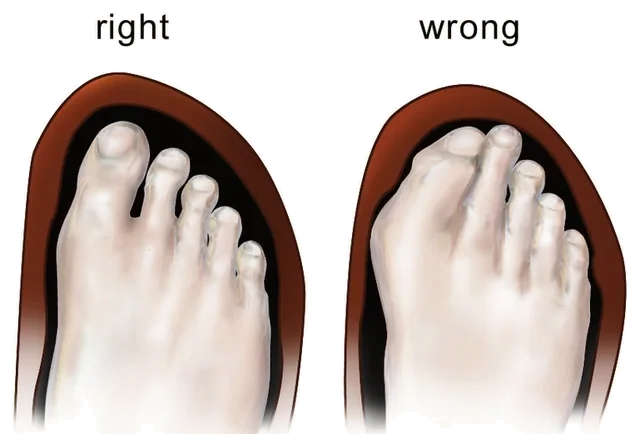

- Wear shoes with a wide, roomy toe area and a low heel
- Use soft, non-medicated pads to cushion the sore spot
- Put moisturizer on dry skin each day, but not between the toes
- Wear clean socks that fit well
Do not cut or shave corns or calluses yourself. Avoid medicated corn pads that contain acid. They can hurt healthy skin.
Treatment options
Dr. Nafal will look at your feet and your shoes to find what is causing the pressure. He explains each option in plain words, starting with the simplest ones.
- Safe trimming of the thick skin in the office (debridement)
- Padding to take pressure off the area
- Shoe advice, or inserts (orthotics) he may recommend
- If they keep coming back, treating the toe or bone problem behind them, which sometimes means surgery
If you have diabetes or poor circulation, please do not treat corns or calluses at home. A small cut can turn into a wound that is slow to heal. Have them checked and trimmed by a foot doctor. If you see redness that spreads, pus, an open sore, or you have a fever, be seen right away.
Common questions
Will my corn come back after it is trimmed?
It may, if the pressure is still there. That is why we also look at your shoes and foot shape, so the cause can be treated too.
Is trimming painful?
Most people feel little or no pain. Removing the thick skin often makes walking feel better.
Get help for your corns and calluses
Offices in Canton and Troy. New patients welcome.